What to Know Before Starting a Home Remodel
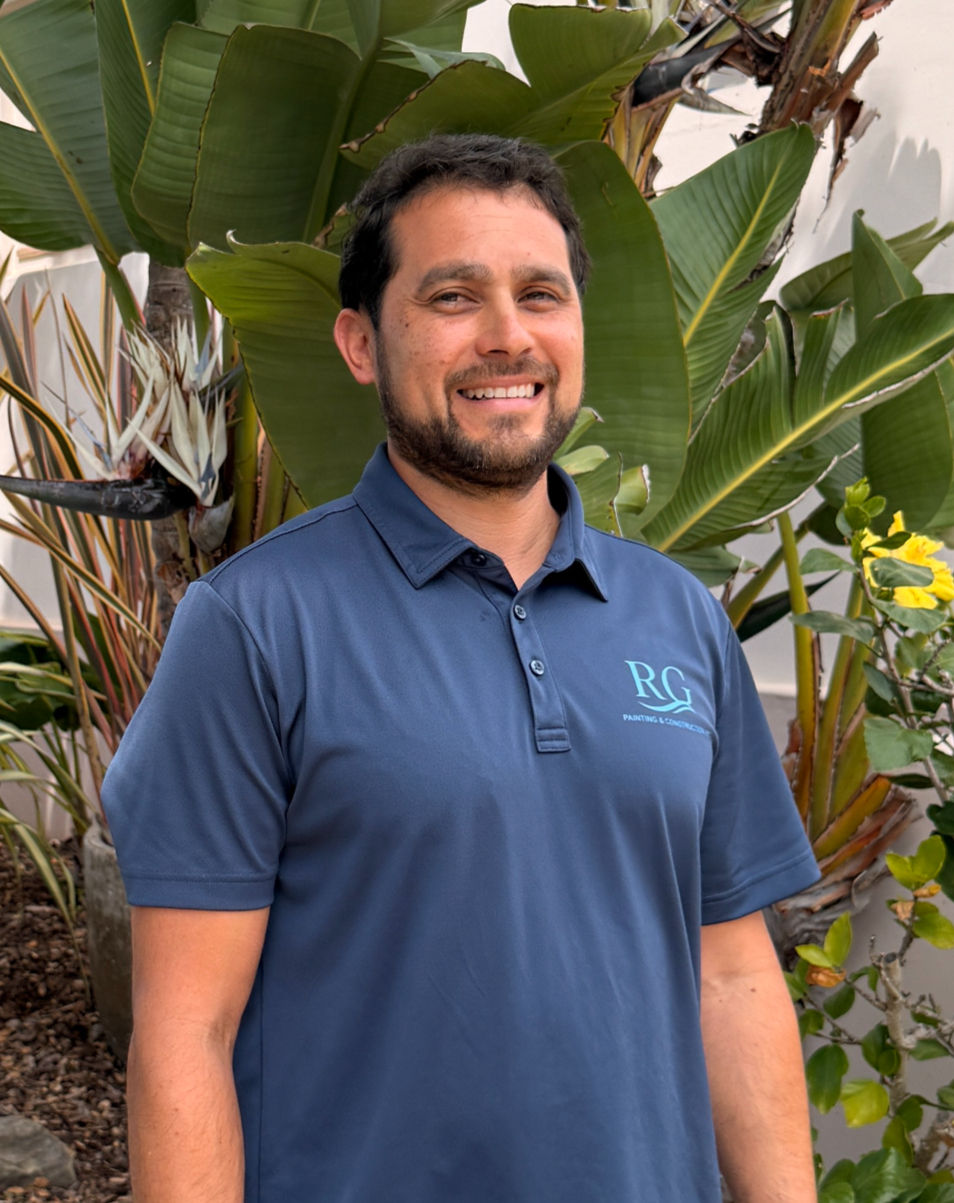
By Ray Guerrero | Founder & Licensed General Contractor (CSLB #931758) | RG Painting and Construction Inc. | 24+ years in Santa Barbara | (805) 452-8406 | About Ray →
A licensed Santa Barbara general contractor's honest guide — what we actually find when we open up walls in older Santa Barbara homes, what permits really take, and the questions every homeowner should ask before signing.
Quick Answer: Before starting a home remodel in Santa Barbara, plan for seven realities most homeowners don't expect: county permit timelines (often 4-12 weeks), older-home hidden conditions (galvanized plumbing, asbestos in pre-1981 homes, original electrical panels), HOA architectural review in Hope Ranch and Montecito, the licensed-contractor-vs-handyman question (California Business and Professions Code Section 7028), and the right project-management questions to ask before signing a contract. After 24 years remodeling Santa Barbara homes from the Mesa to Carpinteria, here's the honest guide.
If you're thinking about a home remodel in Santa Barbara — kitchen, bathroom, ADU, addition, or a full home renovation — you're asking the right questions by reading something like this first.
I've spent 24 years remodeling Santa Barbara homes since founding RG Painting and Construction Inc. (CSLB #931758) in 2001. I've opened up hundreds of walls in homes from the Mesa to Hope Ranch, downtown Santa Barbara to Carpinteria. The patterns are consistent. Older Santa Barbara homes hide conditions that affect every remodel — and most homeowners don't learn what those are until demo day, when it's too late to plan around.
This is the honest guide I wish more homeowners read before they start.
Why Santa Barbara Remodels Are Different
Three things make Santa Barbara County remodels distinct from anywhere else in California:
The age of the housing stock. A significant share of Santa Barbara homes were built before 1980. Spanish Revival and Mediterranean homes from the 1920s-1940s remain throughout Montecito, Mission Canyon, and the Riviera. 1950s-1970s tract homes fill the Mesa, San Roque, and parts of Goleta. These homes have specific original-construction realities that newer California construction doesn't share — and those realities show up the moment you open a wall.
The coastal climate. Salt air, marine layer humidity, and intense UV exposure don't just affect paint. They affect framing, stucco, roof flashing, and original windows in ways inland California homes don't experience. A remodel in Carpinteria has different moisture-management requirements than a remodel in Santa Ynez.
HOA-regulated communities and historic overlays. Hope Ranch, Montecito, and parts of Mission Canyon have architectural review boards. Downtown Santa Barbara has historic overlay zones. These add real timeline and design constraints that most homeowners discover late.
If your home is in Santa Barbara County, every one of these realities applies in some form to your remodel.
The 7 Things Every Santa Barbara Homeowner Should Know
These are the seven things, in roughly the order they affect your project, that surprise homeowners most.
1. Permit timelines are longer than you think
Santa Barbara County building permits typically take 4-12 weeks from submission to approval, depending on project scope. Coastal zone projects, hillside lot projects, and HOA-regulated community projects can run longer — sometimes 4-6 months. Plan for permits to be the longest single phase of pre-construction. Submitting incomplete drawings can add weeks.
2. Older-home hidden conditions are the #1 cost surprise
On every kitchen or bathroom remodel in a pre-1980 Santa Barbara home, we expect to find at least one of these:
Galvanized steel plumbing (common in 1920s-1940s homes) corroded from inside
Original copper plumbing (common in 1950s-1970s homes) at the 30-50 year pinhole-leak window
Asbestos in floor tiles, popcorn ceilings, and pipe insulation in pre-1981 homes
Lead paint in pre-1978 homes (requires EPA Lead-Safe certified work)
Original electrical panels that may need upgrade to support modern circuits
Dry rot in framing exposed to coastal humidity for decades
Single-pane windows with degraded flashing leaking moisture into walls
A real bid from a licensed contractor accounts for the possibility of these conditions. A cheap bid usually doesn't — and the change orders that follow are where homeowners get burned.
3. The licensed-contractor question is non-negotiable
California Business and Professions Code Section 7028 requires a CSLB-licensed contractor for any construction or repair project exceeding $500 in combined labor and materials (verify any contractor's license at CSLB.ca.gov). Most home remodels exceed that threshold by orders of magnitude.
Hiring an unlicensed contractor — or a "handyman" doing licensed-trade work — can void your homeowners insurance, create personal liability if anyone is injured on your property, and give you no legal recourse if the work is defective. It's not a small risk. RG Painting and Construction holds CSLB #931758 with continuous coverage since 2001.
4. HOA architectural review adds real time
If your home is in Hope Ranch, Montecito, or parts of Mission Canyon, your project will likely need HOA architectural review before any building permits can be issued. Reviews typically take 4-12 weeks beyond standard county permits. Material selections, color choices, roofline changes, and exterior modifications usually require approval. Plan accordingly.
5. Coastal-exposed materials need different specifications
On homes in the Mesa, Carpinteria, Summerland, or anywhere within roughly a mile of the coast, salt air and marine layer humidity break down standard materials faster than inland. Exterior paint lifespans drop from 10-12 years inland to 5-8 years coastal. Standard galvanized fasteners corrode where stainless steel would last. Standard exterior caulks fail where marine-grade products hold. A real coastal remodel uses coastal-grade materials, not inland-grade ones.
6. The "in-house crew" question matters more than most people realize
A contractor who subcontracts every trade — framing to one company, drywall to another, paint to a third — adds coordination time, communication gaps, and accountability problems. A contractor with an in-house crew (framing, drywall, paint, finish carpentry, stucco) keeps the project on schedule, keeps the work site clean, and keeps one person accountable from start to finish.
At RG Painting and Construction, our crew handles every trade in-house. Ray personally walks every project from estimate through final walkthrough — there's no sales-staff handoff to someone you've never met.
7. Communication standards predict the project experience
Before you sign a contract, ask what communication looks like. The answer should sound like:
Daily updates during active construction
A direct phone number to the project manager (not a receptionist)
Photos sent at end of day during demo and rough-in phases
Clear written estimates within 48 hours of the walkthrough
No surprise change orders — if we find something unexpected, you know before we touch it
If a contractor can't articulate their communication standards clearly during the estimate, the project will reflect that.
What We Actually Find When We Open Walls
To give you a sense of what "older Santa Barbara home reality" actually looks like, here's a recent example without identifying the homeowners.
On a kitchen renovation in a 1965 Ranch home off State Street, we opened the wall behind the original cabinets to find original galvanized steel supply lines completely corroded from the inside. The visible plumbing under the sink looked fine. The hidden plumbing — which the original homeowners had never had reason to inspect — was three years away from a major leak. We caught it during demo, replaced it during rough-in, and the homeowners avoided a five-figure water damage repair down the road.
This is not unusual. This is what we find in 1950s-1970s Santa Barbara homes routinely. A Mid-Century Modern home in the Mesa, a Ranch home in San Roque, a 1960s tract home in Goleta — same plumbing era, same conditions waiting to be found.
Comparing Older-Home Conditions by Era
Here's what we typically encounter by home era in Santa Barbara County:
Era | Common Conditions | Primary Risk |
1920s-1940s (Spanish Revival, Craftsman) | Galvanized steel plumbing, lath-and-plaster walls, original electrical, lead paint | Internal corrosion, hidden mold, lead disturbance during demo |
1950s-1970s (Mid-Century, Ranch) | Original copper plumbing, asbestos floor tiles, popcorn ceilings, original panels | Pinhole leaks, asbestos disturbance, electrical capacity |
1980s-1990s (Suburban, Coastal Build) | Original water heaters past life, basic insulation, aging windows | Energy efficiency upgrades, window replacement |
2000s+ (Contemporary, Recent Coastal) | Builder-grade finishes, some original mechanicals | Minimal hidden surprises typically |
A licensed contractor walking your property should identify these conditions before scoping the work, not during demo.
Santa Barbara County Service Areas We Cover
RG Painting and Construction handles home remodeling, kitchen remodeling, bathroom remodeling, ADU construction, garage conversions, additions, and water damage restoration throughout Santa Barbara County. We work in:
Santa Barbara (downtown, Mesa, Riviera, Eastside, Westside, San Roque, Mission Canyon)
Montecito (including HOA architectural review coordination)
Hope Ranch (HOA-regulated community remodels)
Goleta
Carpinteria (coastal exposure expertise)
Summerland
Toro Canyon
Santa Ynez Valley (Solvang, Buellton, Santa Ynez, Los Olivos)
If your project is in Santa Barbara County, we've likely worked in your neighborhood and know the building department, the HOA process, and the typical conditions for homes built in your era.
Project-Management Questions to Ask Before Hiring
Before signing any contract for a Santa Barbara home remodel, ask these questions and listen carefully to the answers:
About licensing
"What is your CSLB license number? Can I verify it at CSLB.ca.gov?"
"Are you bonded and insured? Can I see the certificates?"
"Are you EPA Lead-Safe certified for pre-1978 homes?"
About the team
"Who will be on my project? Are they your in-house crew or subcontractors?"
"Will the same crew be there from start to finish?"
"Who is the daily project manager? Can I reach them directly by phone?"
About communication
"What does daily communication look like during construction?"
"How do you handle unexpected conditions found during demo?"
"What's your change-order policy?"
About timeline
"Realistic timeline including permits, not just construction?"
"What controls the timeline most — permits, material lead times, or labor?"
"How will you keep me informed if we hit delays?"
About the work site
"How do you keep the work site clean?"
"Can I stay in my home during construction, or will I need to relocate?"
"What hours will your crew be on site?"
About finishing
"What's included in the final walkthrough?"
"What's your warranty on workmanship?"
"How do you handle punch-list items after substantial completion?"
A licensed Santa Barbara contractor with nothing to hide will answer all of these directly and confidently.
Why "All-in-One" Matters for Santa Barbara Remodels
Most contractors specialize in one trade. Painters paint. General contractors manage. Restoration companies clean up. Each subcontracts the rest.
RG Painting and Construction holds a full California general contractor license (CSLB #931758) covering painting, full home remodeling, AND water damage reconstruction. We handle every trade in-house — framing, drywall, finish carpentry, painting, stucco, electrical and plumbing coordination — under one project manager, with one written estimate, one accountable contact, and one team from estimate through final walkthrough.
For Santa Barbara homeowners, this matters because:
One license means one accountable contractor (not three)
One in-house crew means consistent quality and communication
One project manager means you call one person, not bounce between trades
One scope means fewer change-order surprises
One team means projects finish on schedule
After 24 years of doing this work, the all-in-one approach is what Santa Barbara homeowners come back to us for repeatedly.
Frequently Asked Questions
How long does a home remodel take in Santa Barbara? A Santa Barbara home remodel typically takes 6-12 months from initial design through final occupancy, including 4-12 weeks of permits. Kitchen remodels run 8-16 weeks of construction. Bathroom remodels run 4-8 weeks. ADUs and additions run 6-14 months. Coastal zones, hillside lots, and HOA communities add time. Ray personally walks every project to give a realistic timeline before you sign.
What are the most common surprises during older Santa Barbara home remodels? The most common surprises are hidden plumbing failures (galvanized in 1920s-1940s homes, copper in 1950s-1970s), asbestos in pre-1981 floor tiles and popcorn ceilings, lead paint in pre-1978 homes requiring EPA Lead-Safe practices, original electrical panels needing upgrade, and dry rot in framing exposed to coastal humidity. A licensed contractor (CSLB #931758) walking your property identifies most of these before scoping work.
Do I need a permit to remodel my Santa Barbara home? Most Santa Barbara County remodels require permits — including any structural changes, electrical or plumbing work, water heater replacement, and most kitchen and bathroom renovations. Cosmetic-only work like paint and flooring generally doesn't. RG Painting and Construction handles all permit coordination through Santa Barbara County Building and Safety.
How do I verify a Santa Barbara contractor's license? Visit CSLB.ca.gov and search by license number or business name. A legitimate contractor will provide their CSLB number on request. RG Painting and Construction holds California Contractors State License Board #931758, in continuous operation since 2001.
What's the difference between a general contractor and a handyman in Santa Barbara? California Business and Professions Code Section 7028 requires a CSLB-licensed contractor for any project over $500 in combined labor and materials. Handymen can legally handle minor work below that threshold. For kitchen remodels, bathroom remodels, additions, ADUs, and most home renovations — which all exceed $500 — California law requires a licensed general contractor.
Should I get multiple bids for my Santa Barbara remodel? Yes — typically 2-3 bids from licensed contractors. Compare scopes carefully, not just totals. A bid that's 30% lower than the others usually has scope gaps that become change orders during construction. Ask each contractor to walk your property, identify conditions, and provide a written estimate with clear scope inclusions and exclusions.
Will my homeowners insurance cover surprises during my remodel? Some surprises (hidden water damage discovered during demo, for example) may be covered. Most are not — they're considered pre-existing conditions you're now choosing to address. Document any conditions found during demo with photos before remediation, and consult your insurance carrier and contractor before assuming coverage applies.
How do I know if my contractor's communication will be good during the project? Ask explicitly during the estimate: "What does daily communication look like during construction?" The answer should be specific — daily updates, direct phone access to the project manager, photos during demo and rough-in, written change orders before any unexpected work begins. If a contractor can't articulate their communication standards clearly, the project will reflect that.
Do I need HOA approval for my Santa Barbara remodel? If your home is in Hope Ranch, Montecito, or certain parts of Mission Canyon, yes — HOA architectural review is typically required before county permits can be issued. Reviews add 4-12 weeks to the timeline. RG Painting and Construction routinely coordinates with Hope Ranch Architectural Review and Montecito review boards on remodel projects.
What makes Ray Guerrero and RG Painting and Construction different? Three things: (1) Ray personally walks every project from estimate through final walkthrough — no sales-staff handoff. (2) RG holds a full California general contractor license (CSLB #931758) covering painting, full home remodeling, and water damage reconstruction under one license — most Santa Barbara contractors specialize in only one. (3) Our in-house crew handles framing, drywall, finish carpentry, painting, and stucco directly — no subcontractor coordination delays. Twenty-four years of continuous operation since 2001.
Ready to Start Planning Your Santa Barbara Remodel?
If you're considering a home remodel in Santa Barbara, Montecito, Hope Ranch, Goleta, Carpinteria, or anywhere in Santa Barbara County, the first step is a free written estimate.
Ray personally walks every property, identifies the conditions specific to your home's era and location, and provides a clear written estimate within 48 hours. No high-pressure pitch. No hidden change-order traps. Just an honest assessment of what your project will involve.
📞 Call Ray directly: (805) 452-8406 📧 Request a Free Written Estimate
Serving Santa Barbara, Montecito, Hope Ranch, Goleta, Carpinteria, and all of Santa Barbara County since 2001.
Ray Guerrero is the founder of RG Painting and Construction Inc. (CSLB #931758), serving Santa Barbara County since 2001. Licensed, bonded, and insured. RG handles painting, home remodeling, ADU construction, kitchen and bathroom remodeling, garage conversions, additions, and water damage restoration under one license. Read more about Ray →
📅 Last updated: April 2026.


Comments